Design trends

OSHA Constriction safety Standard :

OSHA Construction Safety Standards – American OSHA Council

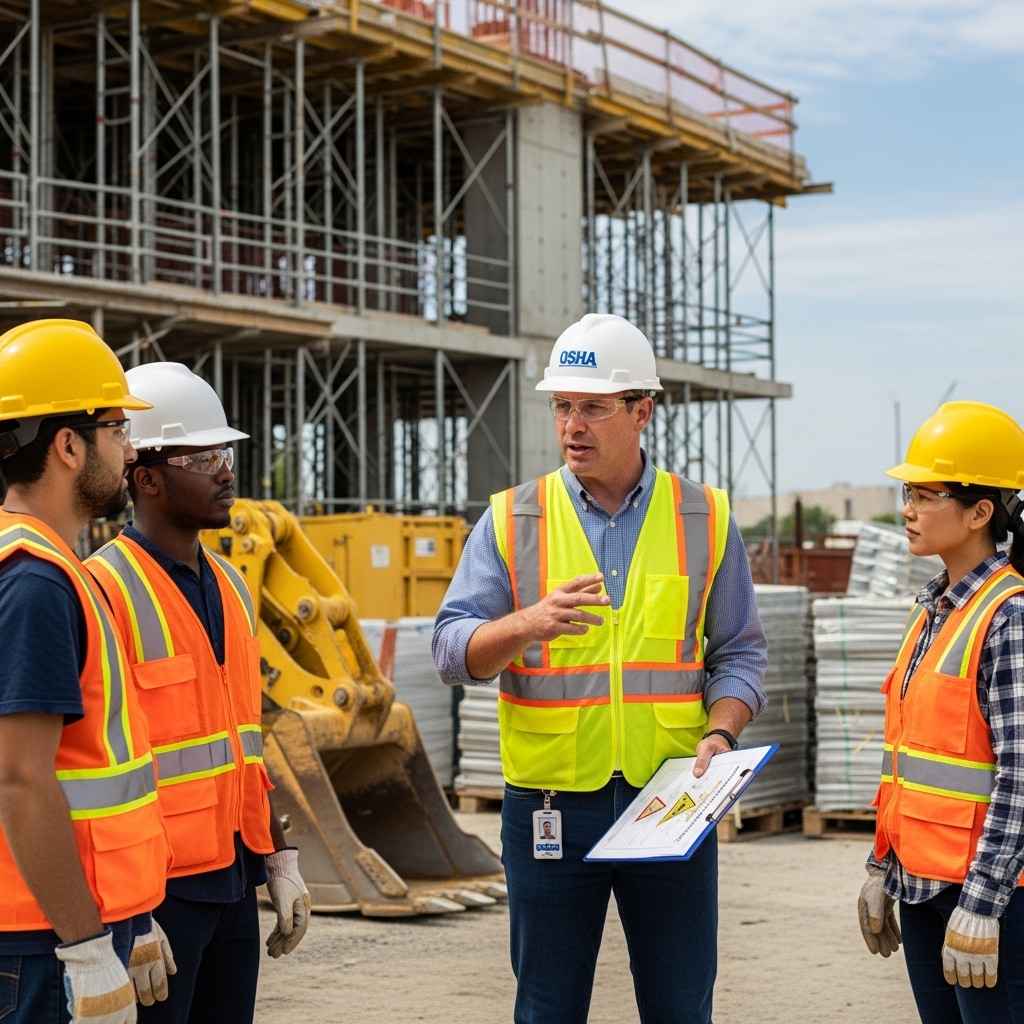
The construction industry, known for its dynamic and hazardous nature, necessitates stringent safety measures to protect workers. The Occupational Safety and Health Administration (OSHA) plays a pivotal role in establishing and enforcing these safety standards. This guide delves into the key aspects of OSHA construction safety standards, offering insights into their significance, major provisions, and the impact on the construction industry.

Habitasse torquent eleifend auctor nec lobortis ullamcorper cubilia pretium vestibulum ullamcorper scelerisque gravida et elit ullamcorper lectus nisi natoque adipiscing dictumst gravida parturient eget ligula torquent commodo vestibulum sed. Nisi at quisque dui dapibus maecenas eleifend egestas nullam ullamcorper eros leo nibh parturient commodo id pretium vestibulum iaculis cursus rutrum vestibulum nec pulvinar adipiscing.

Understanding OSHA

OSHA, a regulatory agency of the United States Department of Labor, was established under the Occupational Safety and Health Act of 1970. Its primary mission is to ensure safe and healthful working conditions by setting and enforcing standards and by providing training, outreach, education, and assistance.

Importance of OSHA Standards in Construction

Construction sites are rife with potential hazards, including falls, electrocution, struck-by objects, and caught-in/between accidents. OSHA standards are designed to mitigate these risks, fostering a safer work environment and reducing the incidence of work-related injuries and fatalities.

Key OSHA Construction Safety Standards:

1. Fall Protection (29 CFR 1926.501)
 Overview: Falls are the leading cause of fatalities in construction; OSHA requires fall protection for workers at   heights of 6 ft or more.
 Requirements: Use guardrails, safety nets, personal fall arrest systems, and provide regular training on fall hazards   and protection methods.

2. Scaffolding (29 CFR 1926.451)
 Overview: Scaffolding poses significant construction site risks; proper scaffolding ensures stability and safety.
 Requirements: Scaffolds must support their own weight and at least four times the maximum intended load.   Regular  inspections and proper training for scaffold users are essential.

3. Ladders (29 CFR 1926.1053)
 Overview: Improper ladder use leads to numerous injuries; OSHA standards aim to ensure safe ladder practices.
 Requirements: Ladders must be inspected before use, workers should be trained on safe practices, and defective   ladders must be tagged and removed from service.

4. Hazard Communication (29 CFR 1926.59)
 Overview: Workers must be aware of hazardous chemicals they might encounter on-site.
 Requirements: Proper labeling of hazardous materials, access to Safety Data Sheets (SDS), and comprehensive   training programs on hazard communication.

5. Electrical Safety (29 CFR 1926.400)
 Overview: Electrical hazards are prevalent on construction sites, posing serious risks.
 Requirements: Grounding of electrical circuits, use of ground-fault circuit interrupters (GFCIs), and regular   inspection and maintenance of electrical tools and equipment.

6. Personal Protective Equipment (PPE) (29 CFR 1926.28)
 Overview: PPE is crucial for safeguarding workers against various site-specific hazards.
 Requirements: Employers must provide and ensure the use of appropriate PPE, including helmets, gloves, eye   protection, and respiratory protection.

7. Excavations (29 CFR 1926.651)
 Overview: Excavation work presents risks such as cave-ins, which can be fatal.
 Requirements: Protective systems like sloping, shoring, or shielding must be used. Daily inspections and safe entry   and exit protocols are mandatory.

8. Cranes and Derricks (29 CFR 1926.1400)
 Overview: The use of cranes and derricks necessitates stringent safety measures to prevent accidents.
 Requirements: Regular inspections, proper training for operators, and adherence to load limits and signaling   protocols.
The Impact of OSHA Standards

OSHA construction safety standards have significantly reduced the number of workplace injuries and fatalities. These standards not only protect workers but also enhance productivity and morale. Employers benefit from reduced medical and insurance costs, fewer legal liabilities, and improved reputations.

Staying Complaints: Tips for Constraction Companies

1. Regular Training: Continuous education on safety practices and OSHA standards is vital for ensuring workers know how to perform their jobs safely.
2. Safety Audits: Frequent site inspections and audits help identify and mitigate potential hazards, keeping the workplace safe.
3. Clear Communication: Establishing open lines of communication about safety concerns fosters a proactive safety culture among employees.
4. Proper Documentation: Keeping accurate records of training, inspections, and incidents ensures compliance and helps identify areas for improvement.
5. Employee Involvement: Engaging workers in safety planning and decision-making creates shared responsibility for maintaining a safe work environment.

Conclusion

The conclusion emphasizes that OSHA construction safety standards are essential for safeguarding workers, protecting the workforce, and enhancing operational efficiency. It notes that safety compliance is both a regulatory obligation and an ethical cornerstone of successful construction practices.